Vital Factors when Developing an Impactful Business Audio Delivery Infrastructure
Wiki Article
Designing an efficient business audio broadcast system is vital for any organization that leans on sound to enhance the customer experience. This system allows businesses to deliver music, announcements, and other audio content to multiple areas within a facility. Key elements in creating a successful audio distribution system include an understanding of sound quality, appropriate equipment selection, efficient layout planning, and reliable maintenance practices. These components work together to ensure that the audio system meets the specific needs of the space and the audience.
Sound quality is one of the most important elements of an audio broadcast system. Superior sound elevates the listening experience for visitors and can create a pleasant atmosphere. Parameters such as speaker types, amplification systems, and sound dynamics all influence in producing balanced and consistent sound. Organizations should focus on acquiring high-performance speakers that are well-suited for their space. For example, open venues might benefit from weather-resistant speakers, while interior spaces may take advantage of multi-speaker setups. Making sure that all units are compatible and seamlessly connected is essential for peak performance.
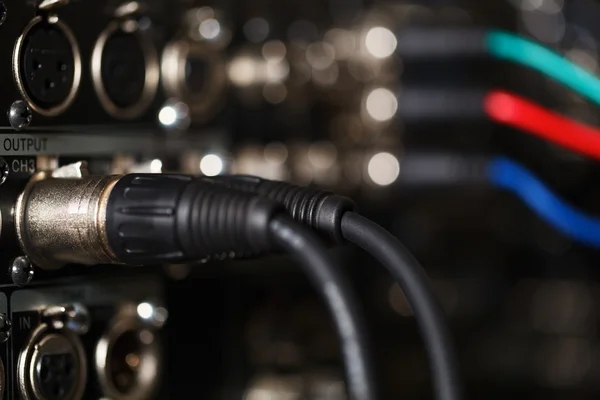
The determination of audio devices plays a crucial part in the effectiveness of the audio network. This includes deciding find more on the right audio mixers, sound enhancers, and music systems. Businesses should analyze their specific audio demands before making acquisitions. For instance, a shop might utilize different devices than a eatery or event hall. Additionally, implementing modern solutions can boost performance. Digital platforms that enable digital monitoring or integration with apps can provide adaptability in adjusting audio media and output levels throughout different sections.
Organizing the layout of the audio delivery system is another key element. A strategically planned configuration guarantees that sound is smoothly transmitted across all zones without any dead spots or echo in certain areas. This involves strategic alignment of speakers and understanding of how sound moves in each environment. Aspects such as room size, structure, and decor can change acoustics. Performing an audio evaluation can support find the best positions for speakers to deliver superior sound coverage throughout the facility.
Ultimately, scheduled care is vital to keep an audio delivery system functioning see this page seamlessly. Proper servicing includes regular inspections on components operation, correcting any concerns as soon as possible, and maintaining software when necessary. Educating employees on how to manage the system correctly can also eliminate user mistakes and extend the lifespan of the equipment. By emphasizing regular upkeep, companies can maintain high-quality audio output and reduce downtime that could affect the guest engagement.
In conclusion, developing an impactful professional audio broadcast system demands thoughtful evaluation of audio clarity, hardware choice, design organization, and regular upkeep. When these components are addressed thoughtfully, facilities can transform their venue with immersive audio performance for their clients. Adopting a professionally planned audio system not only enhances message delivery but also promotes a welcoming atmosphere that can improve audience retention.